KeynotesServiceAboutOn stage Check availability
U.S. Army veteran · Ironman and Norseman finisher · Human factors researcher

Thinking and feeling
were never two
separate systems.

Zachariah Collett speaks to the room where that stops being theory — a veteran rebuilding after service, an athlete standing in front of their own fear, a team trusting a model it doesn't understand. Same machinery, three vocabularies. He has been in all three.
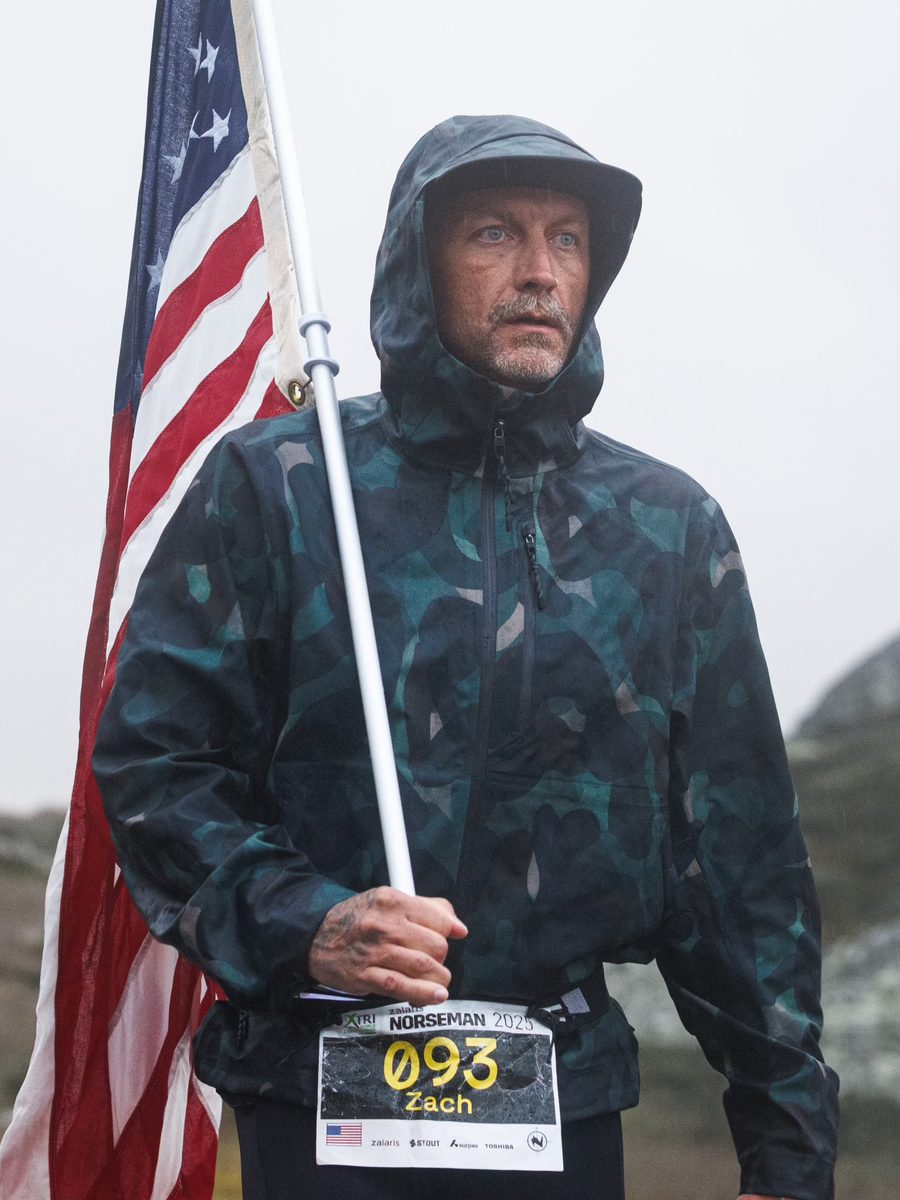
Zachariah Collett carrying the United States flag in the rain during the Norseman Xtreme Triathlon Norseman Xtreme Triathlon 2025Bib 093 · Norway
Keynote45–60 min
WorkshopHalf & full day
PanelsModeration & fireside
Based inColumbus, Ohio · Travels
Recent stages

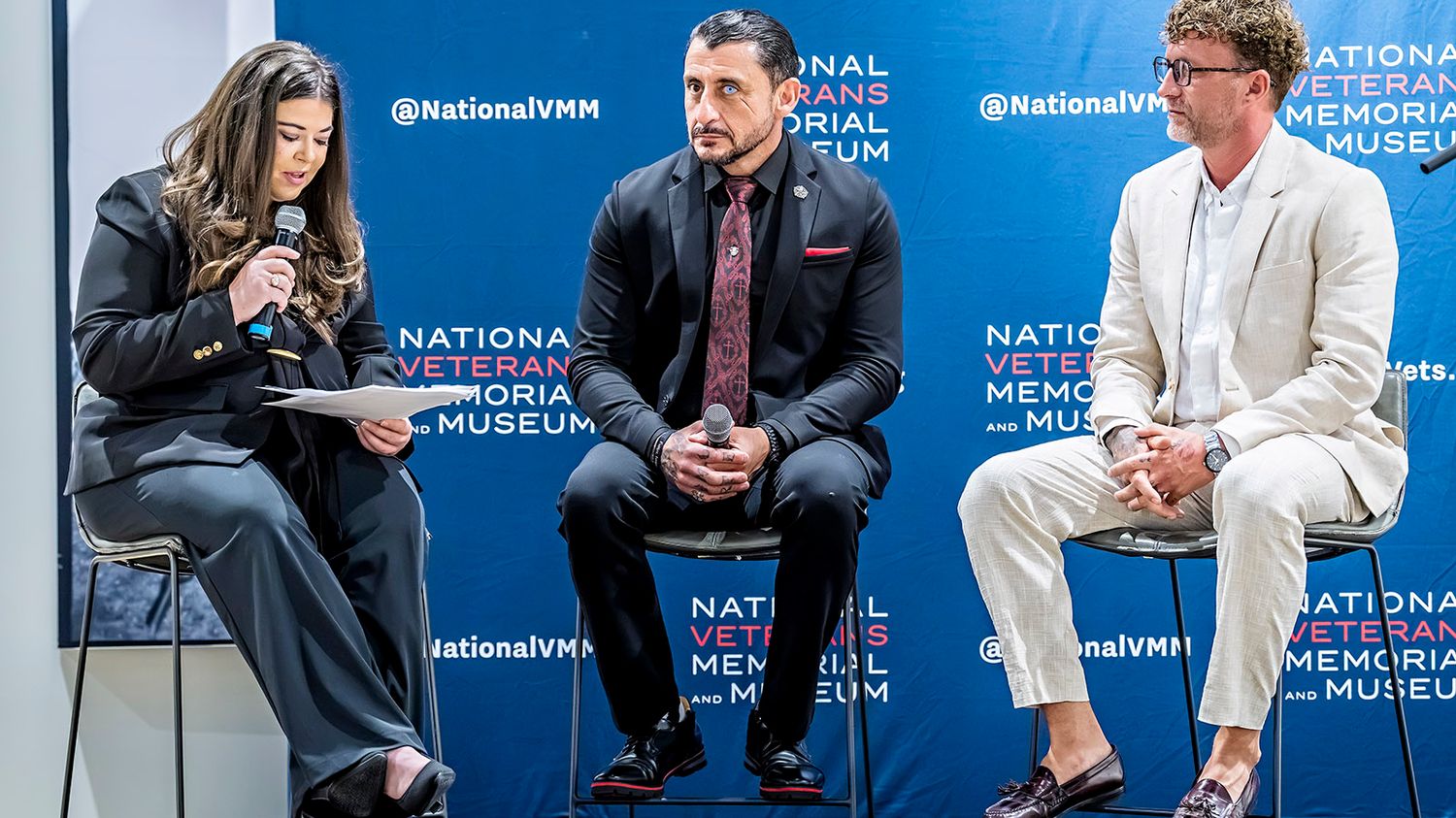
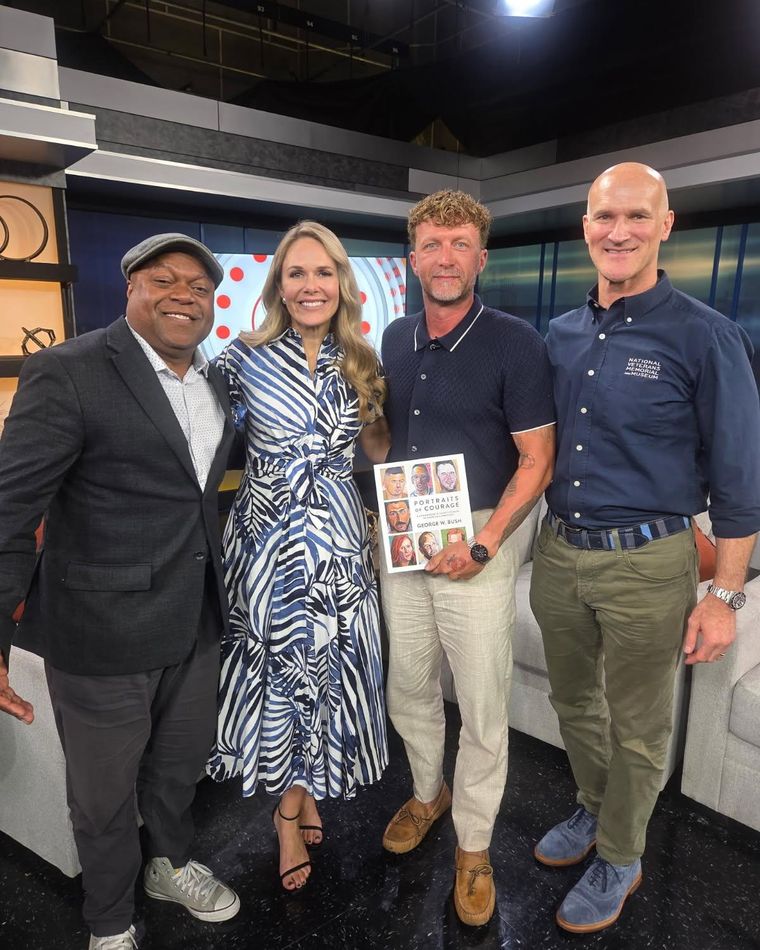
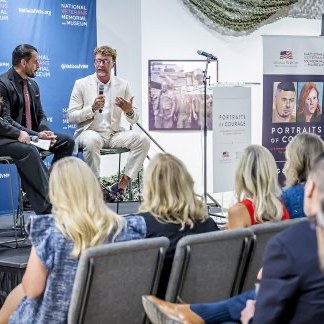
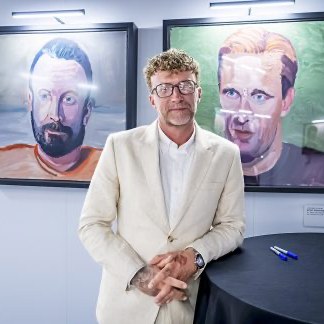
National Veterans Memorial and MuseumPortraits of Courage panel
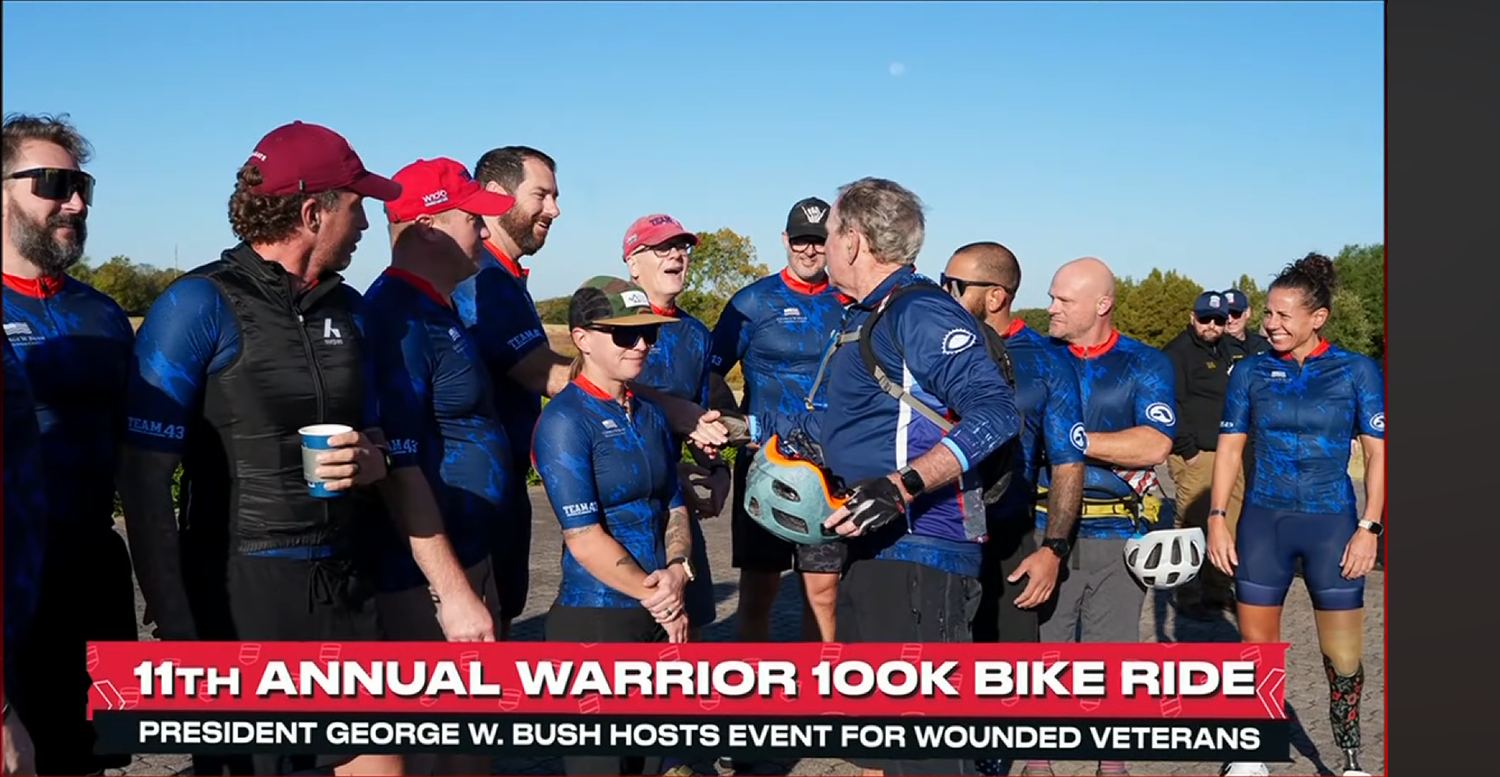
Warrior 100K Bike RideTeam 43 · Broadcast feature
Norseman Xtreme Triathlon2025 · Bib 093
Johnson & JohnsonHuman Performance Course
Where he speaks One keynote, three rooms

Different audiences. The same underlying problem.

Fear in a start box, hypervigilance after deployment, and a team over-trusting an algorithm look like unrelated problems. They aren't. Each is a case of affect and cognition operating as one system — feeling shaping what gets noticed, what it's taken to mean, and what happens next. The signature keynote below makes that case to any audience. The three that follow translate it into a specific room's language.

Signature keynote · Any audience

Fear was never the problem. Misreading it was.

Fear gets treated as an obstacle sitting outside performance — something to push through, suppress, or out-discipline. It isn't. The same physiological signal that sharpens attention is the one that collapses it into tunnel vision, and the difference between those two outcomes is interpretation.

Interpretation is trainable. This keynote takes an audience through what fear is actually doing in the body, why the people who perform best under pressure are not the calmest ones, and how to build the capacity to act while the signal is still firing — drawn from the research and from a life that has tested it in uniform, in recovery, and in open water.

What the room takes with them

  • Fear as information, not interferenceWhat the signal is reporting, and what it isn't
  • Why avoidance feels like relief and works like debtThe mechanism that makes fear grow when obeyed
  • Courage as a trained responseActing while afraid, rather than waiting to stop being afraid
  • The stories we build to justify not goingAnd how to catch yourself telling one

Keynote · 45–60 minutes  /  Conferences, leadership events, athletic programs, veteran audiences — adapts to the room

Service builds a nervous system tuned for a specific environment. It doesn't retune on discharge. What gets labeled as a discipline problem or a character problem is usually a body still reading an old threat picture — and the standard advice fails because it's aimed at thinking while the trouble lives upstream of it.

This talk takes addiction, post-traumatic stress, and brain injury out of the language of deficit and puts them back into the language of adaptation. It's direct about how hard the work is and honest about what recovery does and doesn't look like.

It took over a decade of struggling before I realized that it was solely my responsibility to take control of my life and my healing process.

What the room takes with them

  • Why hypervigilance outlasts the environment that built itAnd what that means for sleep, anger, and relationships
  • Addiction as regulation, not weaknessReframing the behavior without excusing its cost
  • Where TBI and PTSD get confused for each otherAnd why the distinction changes what help works
  • What resilience actually requiresBeyond the poster version of the word

Best for — VSOs, base and unit events, veteran health conferences, first responders  /  This is a speaking engagement, not clinical care

Understanding inside an organization doesn't sit in anyone's head. It's spread across people, tools, dashboards, and shorthand — which means most failures blamed on communication are really failures in how a shared picture gets assembled and handed off.

Add a model to that system and the problem sharpens. Statistical and machine learning tools now sit inside decisions they were never designed to make alone, and teams calibrate their trust on confidence rather than evidence. This talk covers what those systems can and can't know, and how to keep human judgment in the loop without pretending the tools aren't useful.

What the room takes with them

  • Where a team's understanding actually livesAnd how to map it before it breaks
  • Why handoffs are your highest-risk momentsShift changes, escalations, reorganizations
  • How mood shapes what a group noticesAffect as an input to collective judgment
  • Reading a model honestlyUncertainty, automation bias, and what a number isn't telling you

Best for — Universities, research conferences, leadership offsites, data and engineering organizations

Athletes are told to manage fear as though it were an obstacle sitting outside performance. It isn't. Arousal is the same signal that sharpens perception and the one that narrows it into tunnel vision — the difference is interpretation, and interpretation is trainable.

This talk gives athletes and coaches a working model of what's happening in the body before a performance, why the best competitors aren't the calmest ones, and how discipline gets built as a structure rather than summoned as a feeling.

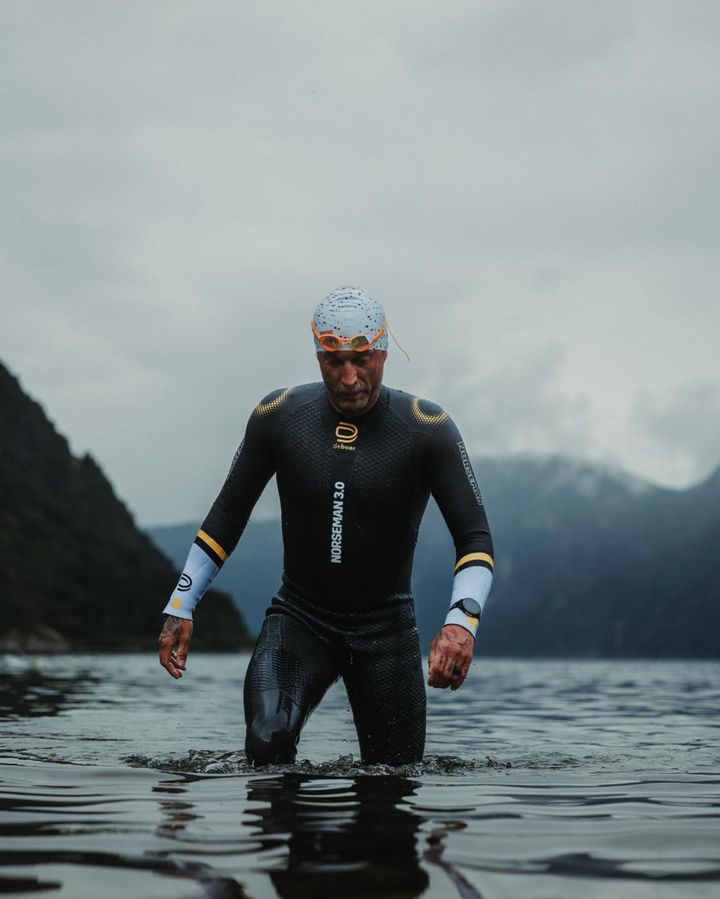
He races what he teaches: Ironman, endurance cycling, and a finish at the Norseman Xtreme Triathlon — billed as the world's toughest — 104th overall in 2025.

What the room takes with them

  • Why motivation is a poor foundationDesigning environments that don't require it
  • Managing arousal on competition dayWarm-up, routine, and the minutes before the start
  • How attention narrows under pressureAnd the drills that widen it again
  • The identity problem after the last seasonWho an athlete is when the sport stops

Best for — Collegiate and pro programs, coaching staffs, athletic departments, sport science groups

Service U.S. Army

Before any of this.

The research came second. The questions came first, and they came from a place where getting them wrong cost something.

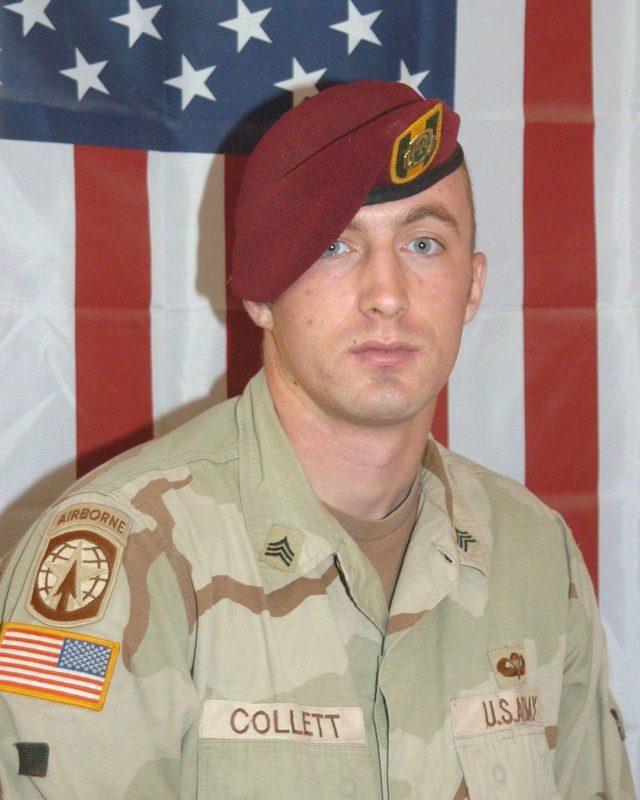
He served in the U.S. Army from 2002 to 2010 with the 16th Military Police Brigade and the 108th Military Police Company, Airborne and Air Assault — two deployments to Iraq, Mosul in 2003–04 and Baghdad in 2005–06, separating as a Staff Sergeant.

In his words I carried home guilt, anger, post-traumatic stress, traumatic brain injury, addiction, and injury.
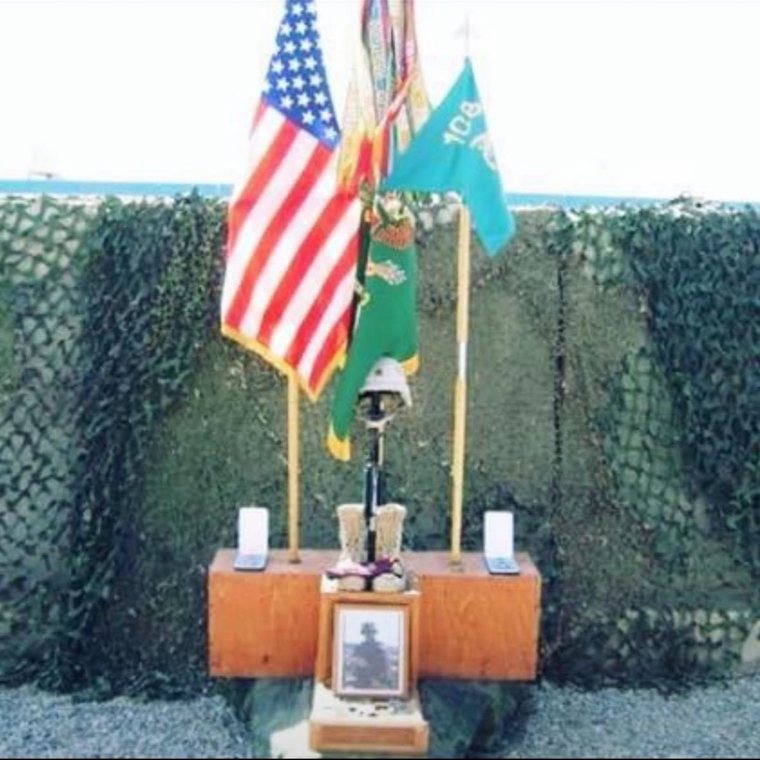
A memorial of boots, rifle and helmet set beneath unit and national colors In honor ofSGT Jeremy Campbell · Killed in action, 11 September 2005
Zachariah Collett in uniform and maroon beret Airborne108th Military Police Company
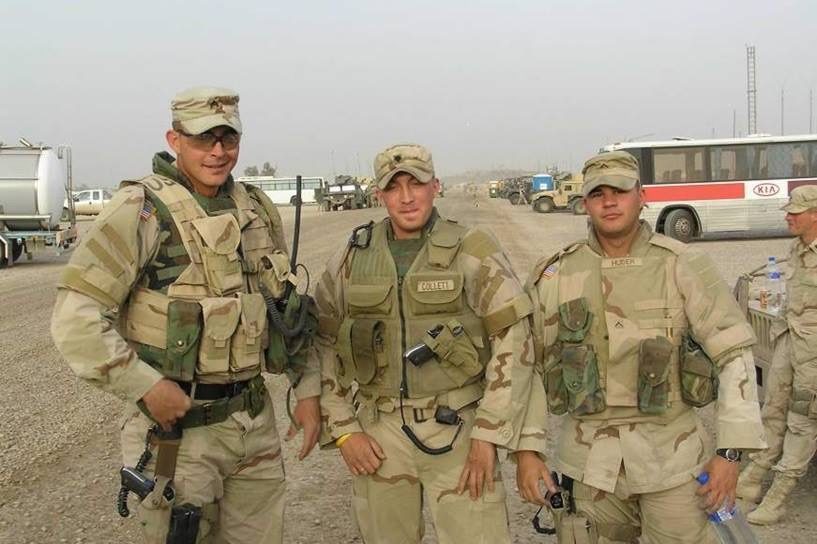
Zachariah Collett with fellow soldiers during a deployment DeployedIraq · 2003–2006
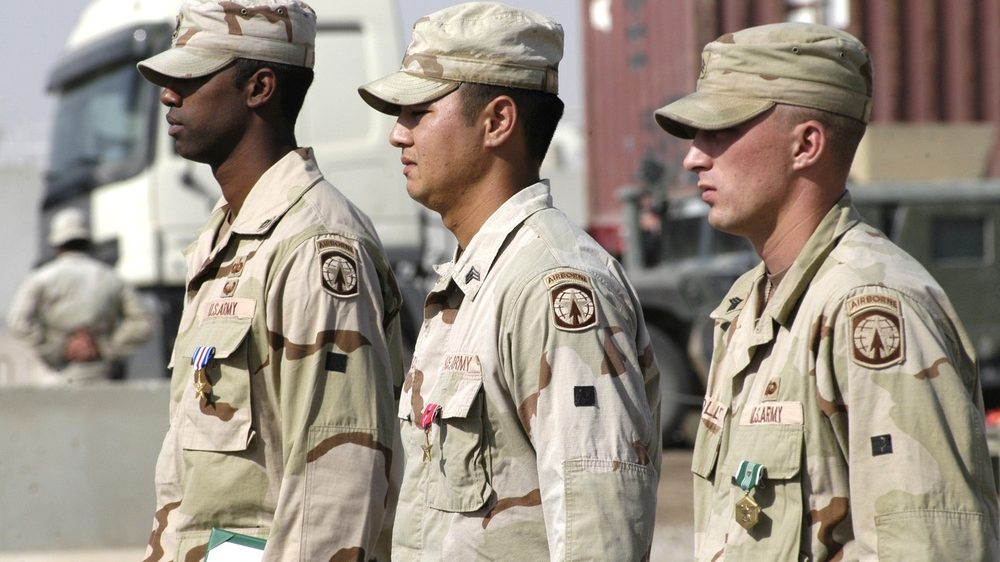
Soldiers standing in formation at an awards ceremony in theater Awards formationIraq
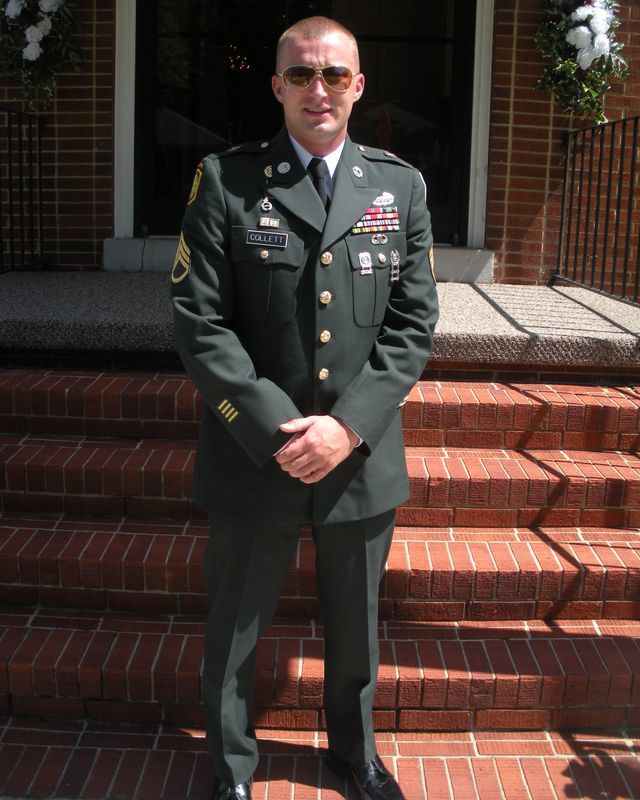
Zachariah Collett in U.S. Army dress uniform Class AStaff Sergeant
Zachariah was made for this.

Dr. Frederic BertleyCEO, National Veterans Memorial and Museum · President & CEO, COSI
Portraits of Courage opening

About

Research on one side. Lived on the other.

Zachariah is a human factors researcher working where perception, emotion, and performance meet — situation awareness, distributed cognition, the relationship between affect and cognition, and the statistical methods used to study all of it.

He speaks the way good research reads: specific, unhurried, and willing to say what the evidence doesn't support.

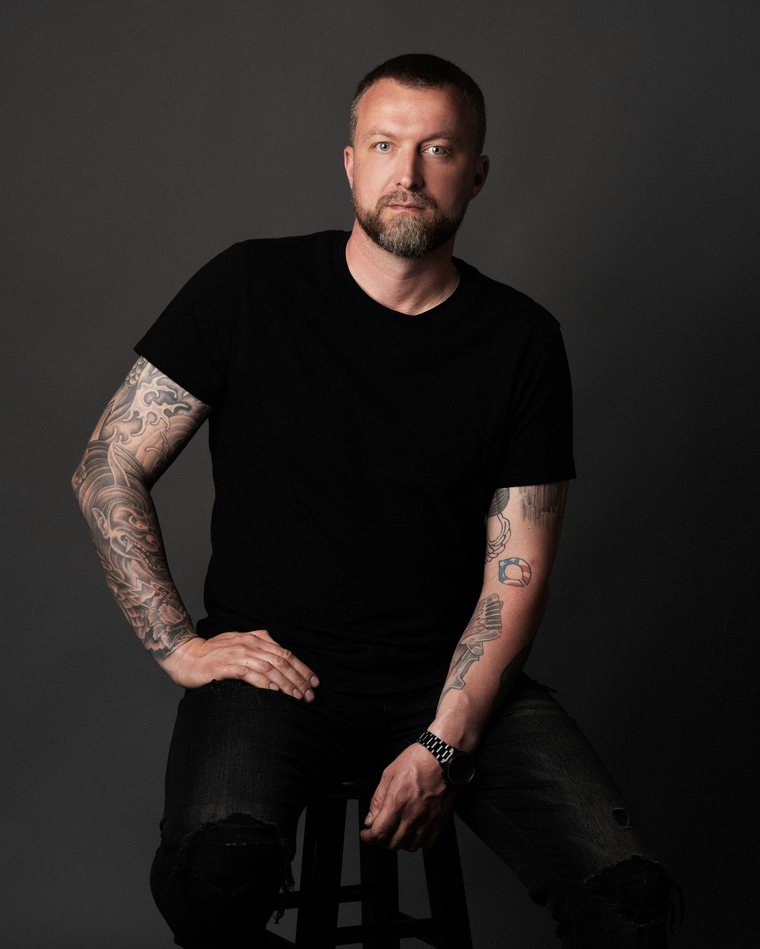
Portrait of Zachariah Collett
  • ServiceU.S. Army, 2002–2010 — 16th Military Police Brigade; 108th Military Police Company, Airborne / Air Assault
  • RankStaff Sergeant
  • DeployedMosul, Iraq 2003–04 · Baghdad, Iraq 2005–06
  • DecorationsBronze Star Medal · Army Commendation Medal with Valor
  • CommendationsPresidential commendations — George W. Bush; Barack Obama
  • EducationB.A. Psychology — Wright State University
  • EducationM.S. Human Factors Psychology — Wright State University
  • DoctoralPh.D. Human Factors Psychology — expected 2029
  • ResearchDistributed cognition — understanding as a property of teams and tools
  • ResearchAffect and cognition — how emotion shapes attention and judgment
  • ResearchSituation awareness, signal constraint, and competence models
  • MethodsApplied statistics and machine learning
  • AthleticsNorseman Xtreme Triathlon 2025 — 104th overall
  • AthleticsIronman · endurance cycling · Warrior 100K with Team 43
  • SpeakingPortraits of Courage opening — National Veterans Memorial and Museum
  • SpeakingJohnson & Johnson Human Performance Course — facilitator
  • MediaESPN Monday Night Football · NBC4 Evening News · ABC6/FOX28 Morning News · Columbus Living
  • PodcastsTactical Tequila · No Rewind
Booking

Tell me who's in the room.

Send the date, the audience, and what you need them to walk out understanding. You'll get a reply within two business days.

zachariah.collett@gmail.comColumbus, Ohio